Are We Repeating 2000
Ann Yiming Yang
1/9/20263 min read
The Dot-Com Bubble vs. Today’s AI-Driven Market
In 2000, the tech industry learned a brutal lesson: transformational technology does not guarantee sustainable valuations.
The dot-com era was driven by a real breakthrough: the internet, but capital raced ahead of fundamentals. When confidence cracked, the collapse was swift and indiscriminate.
Today, as investors whisper about a potential “2026 reckoning,” the comparison has resurfaced. This time, the technology is AI.
The question isn’t whether AI is real.
It’s whether the pricing of AI is.
A quick recap: what actually happened in 2000
The setup
Internet adoption exploded.
Venture capital flooded the market.
Companies went public with minimal revenue, or none at all.
Valuations were justified by narratives: eyeballs, first-mover advantage, land grab.
The peak
The NASDAQ Composite rose ~5× from 1995 to March 2000.
IPOs doubled on day one despite weak fundamentals.
The crash
Rising interest rates and missed growth expectations shattered confidence.
NASDAQ fell ~78% from peak to trough.
Thousands of startups failed.
Survivors existed, but they were rare.
The internet didn’t fail.
Pricing failed.
Today feels uncomfortably familiar
Similarity #1: A real technological revolution
Then: the internet changed everything.
Now: AI is reshaping software, labor, and capital allocation.
Both are genuine paradigm shifts.
Similarity #2: Narrative-driven valuations
Dot-com era: “We’ll monetize later.”
AI era: “Scale first, profits later.”
In both periods, future dominance is priced into today’s valuation.
Similarity #3: Capital intensity & burn
Many AI companies require massive ongoing compute spend.
Revenue growth does not always scale as fast as infrastructure costs.
This is a structural risk, not hype.
Similarity #4: Concentration risk
In 2000, capital crowded into “internet everything.”
Today, capital crowds into a narrow set of AI leaders and suppliers.
When expectations slip, concentration amplifies downside.
The most important differences
Difference #1: Today’s leaders have real revenue
Many current AI leaders generate billions in annual revenue.
In 2000, many companies had none.
Difference #2: Infrastructure vs. websites
AI platforms are closer to cloud infrastructure than marketing sites.
If they succeed, they become deeply embedded, not optional.
Difference #3: Fewer companies, larger stakes
The dot-com bubble had thousands of public names.
Today’s risk is concentrated in far fewer, much larger entities.
This means fewer bankruptcies, but potentially larger valuation resets.
The private-market pressure cooker
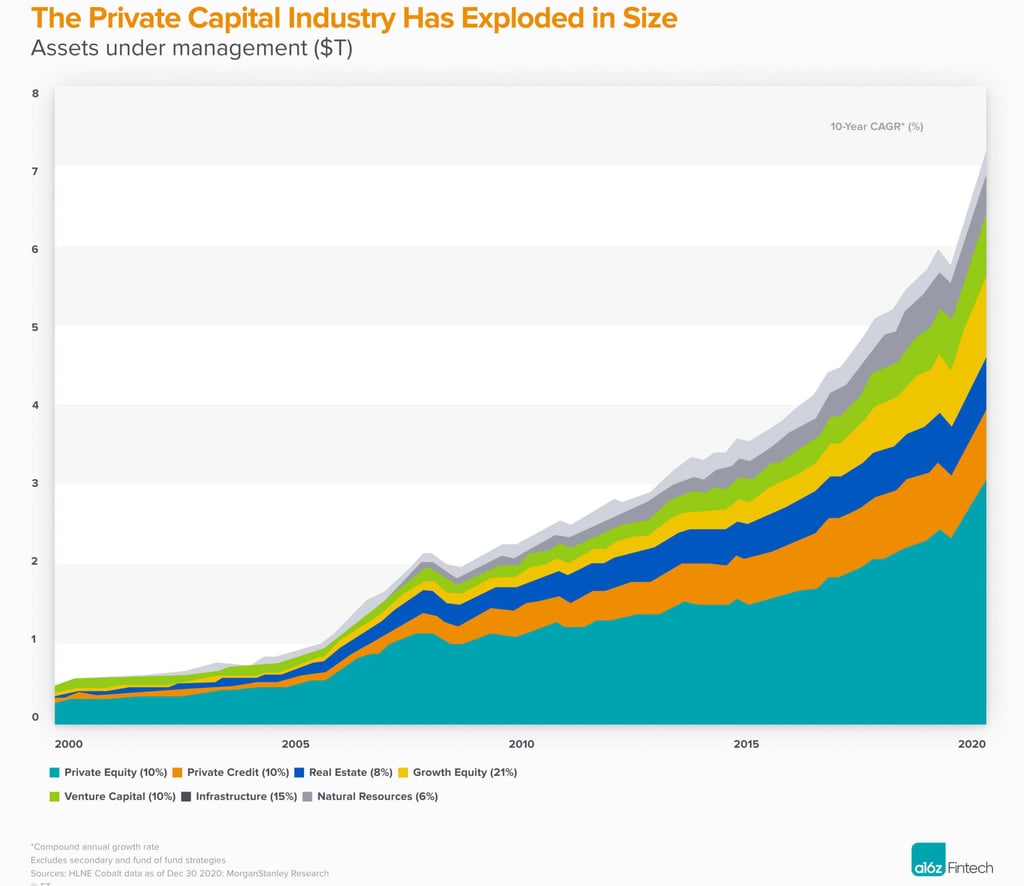
One major difference from 2000 is where the risk sits.
In 2000, excess risk lived in public markets.
Today, much of it lives in private markets.
Large private companies face:
Massive capital needs
Limited private-market liquidity
Pressure from employees and early investors for exits
This creates incentives to:
IPO earlier
Cut costs aggressively
Reprice expectations quickly if markets tighten
That’s where fears of layoffs and “sudden discipline” come from.
If a “2000-style moment” happens, what would it look like?
It likely would not look like:
AI disappearing
All major players collapsing
Technology progress stopping
It would look like:
Valuation compression
Hiring freezes and layoffs
IPO windows closing abruptly
A sharp divide between durable platforms and speculative layers
In other words:
the market gets serious.
The real lesson from 2000
Every cycle repeats the same mistake: confusing technological inevitability with financial inevitability.
AI may be inevitable.
But who wins, at what price, and on what timeline is not.
That distinction is what markets tend to relearn the hard way.
The internet was real in 2000.
AI is real today.
The danger has never been the technology; it’s always been the valuation.